





Emergency electricity purchases at rates reaching ₹37 per unit have raised questions over energy planning, rising costs and the financial burden on the state.
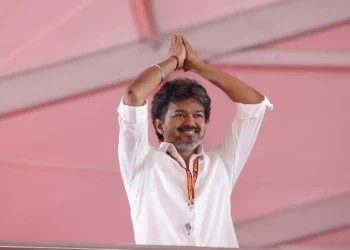
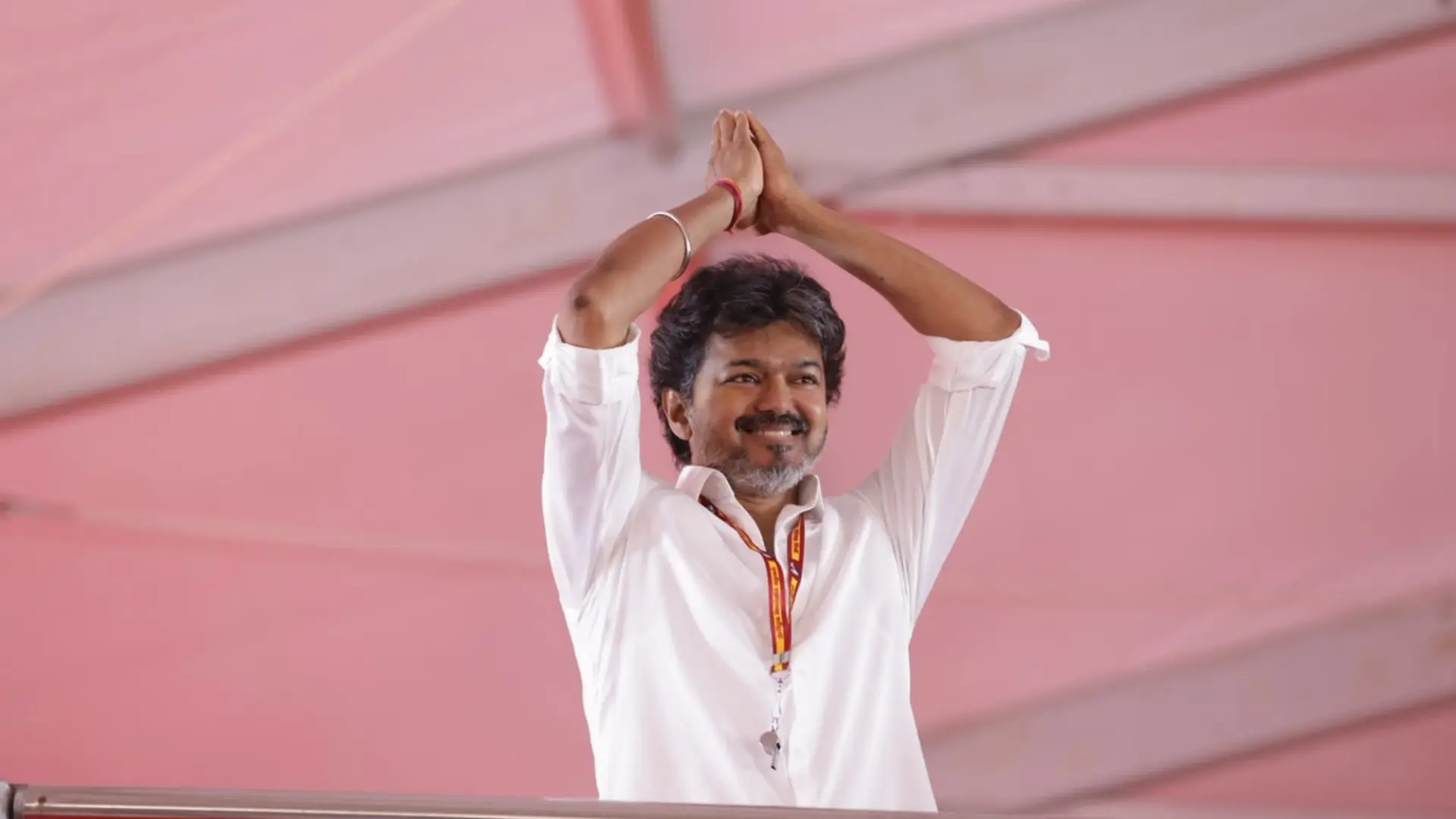
Tamil Nadu’s electricity shortage has presented chief minister Vijay and his Tamilaga Vettri Kazhagam (TVK) government with a difficult test, as the state turns to expensive emergency power purchases to maintain supply while consumers continue to express concerns over their electricity bills.
The controversy follows reports that the Tamil Nadu Power Distribution Corporation (TNPDCL) arranged emergency electricity purchases at rates reaching ₹37 per unit, following a supply shortfall estimated at approximately 4,000MW.
Reduced wind-power generation, maintenance at central generating stations and increased demand have contributed to the shortage, forcing the state to secure additional electricity to prevent disruptions to households and industries.
While emergency purchases are sometimes unavoidable, the unusually high procurement rates have prompted questions about whether Tamil Nadu could have anticipated the shortage and secured more affordable supplies through earlier planning.
For Vijay, whose entry into politics was accompanied by promises of administrative reform and better governance, the controversy comes at a time when his government is seeking to establish its credibility beyond the popularity that brought TVK into office.
The ₹37 figure, however, requires clarification. It represents the reported upper-end rate for emergency electricity procurement rather than the tariff charged directly to households. The actual financial burden will depend on how much electricity is purchased, the duration of supply and the contractual terms agreed with generators.
Energy minister CTR Nirmal Kumar has defended the government’s decision, arguing that the administration inherited weaknesses in long-term electricity procurement and faced the possibility of power interruptions lasting several hours without additional supplies.
The government has reportedly estimated the additional expenditure at approximately ₹5 crore a day, although the final amount will depend on actual procurement.
Opposition parties, including the DMK and AIADMK, have questioned the arrangements and demanded greater scrutiny of the government’s electricity management. Their criticism has centred on whether the shortage could have been anticipated and whether the state had explored cheaper alternatives before entering into emergency contracts.
The dispute also highlights a longstanding problem within Tamil Nadu’s electricity sector. Although the state possesses considerable renewable-energy capacity, particularly in wind generation, fluctuations in output can create difficulties when alternative sources are insufficient or unavailable.
Tamil Nadu’s industrial economy depends heavily on reliable electricity, with manufacturing facilities, technology companies and smaller enterprises requiring predictable supply and operating costs. Prolonged shortages or expensive procurement arrangements can therefore have consequences extending beyond the electricity sector.
The financial implications are equally significant. When a distribution utility purchases electricity at elevated rates while continuing to supply subsidised power to consumers, the additional cost must be accommodated through its finances, government support or other revenue arrangements.
This creates pressure on an electricity system already required to balance affordable household tariffs with the substantial costs of generation, transmission and distribution.
Concerns over household bills have added another dimension to the debate. Earlier complaints about unusually high electricity charges prompted TNPDCL to examine hundreds of thousands of domestic connections, with increased consumption during hot weather identified as one possible explanation.
Those complaints should not be confused with the latest emergency procurement controversy, since higher wholesale electricity costs do not automatically translate into an equivalent increase in household tariffs. Nevertheless, both developments have intensified public interest in how electricity is priced, purchased and distributed.
Tamil Nadu’s energy challenges are not entirely new. Previous regulatory concerns about reliance on expensive short-term electricity purchases had already highlighted the need for stronger procurement planning and financial discipline.
The TVK government has indicated that longer-term procurement arrangements, improvements in generating capacity and greater investment in renewable-energy storage form part of its response.
Such measures could reduce exposure to sudden supply shortages, although their effectiveness will depend on implementation, available financing and the ability to secure electricity at sustainable prices.
The political argument over responsibility is unlikely to disappear quickly. TVK maintains that it is responding to problems inherited from earlier administrations, while opposition parties argue that the present government must answer for its procurement decisions.
Both positions raise questions that require examination through electricity demand forecasts, procurement records and the actual expenditure incurred.
For Vijay, the challenge is to demonstrate that his administration can manage the competing demands of uninterrupted electricity supply, affordable tariffs and responsible public spending.
Tamil Nadu’s reputation as an industrial powerhouse depends not merely on attracting investment but also on ensuring that essential infrastructure can support continued economic expansion.
Emergency electricity purchases may provide temporary relief, but they cannot replace a sustainable energy strategy.
Ultimately, the controversy is not simply about whether Tamil Nadu should have purchased electricity at ₹37 per unit to prevent power cuts. It is about whether the state can strengthen its electricity system sufficiently to avoid being forced into similarly expensive decisions in the future.
For households worried about their monthly bills and businesses dependent on reliable power, that question matters far more than the political exchanges surrounding the crisis.